

Turning Online Reviews Into Your Best Marketing Asset
How Southern Maine businesses can turn Google and Facebook reviews
into real local SEO traction

Turning Online Reviews Into Your Best Marketing Asset
How Southern Maine businesses can turn Google and Facebook reviews into real local SEO traction
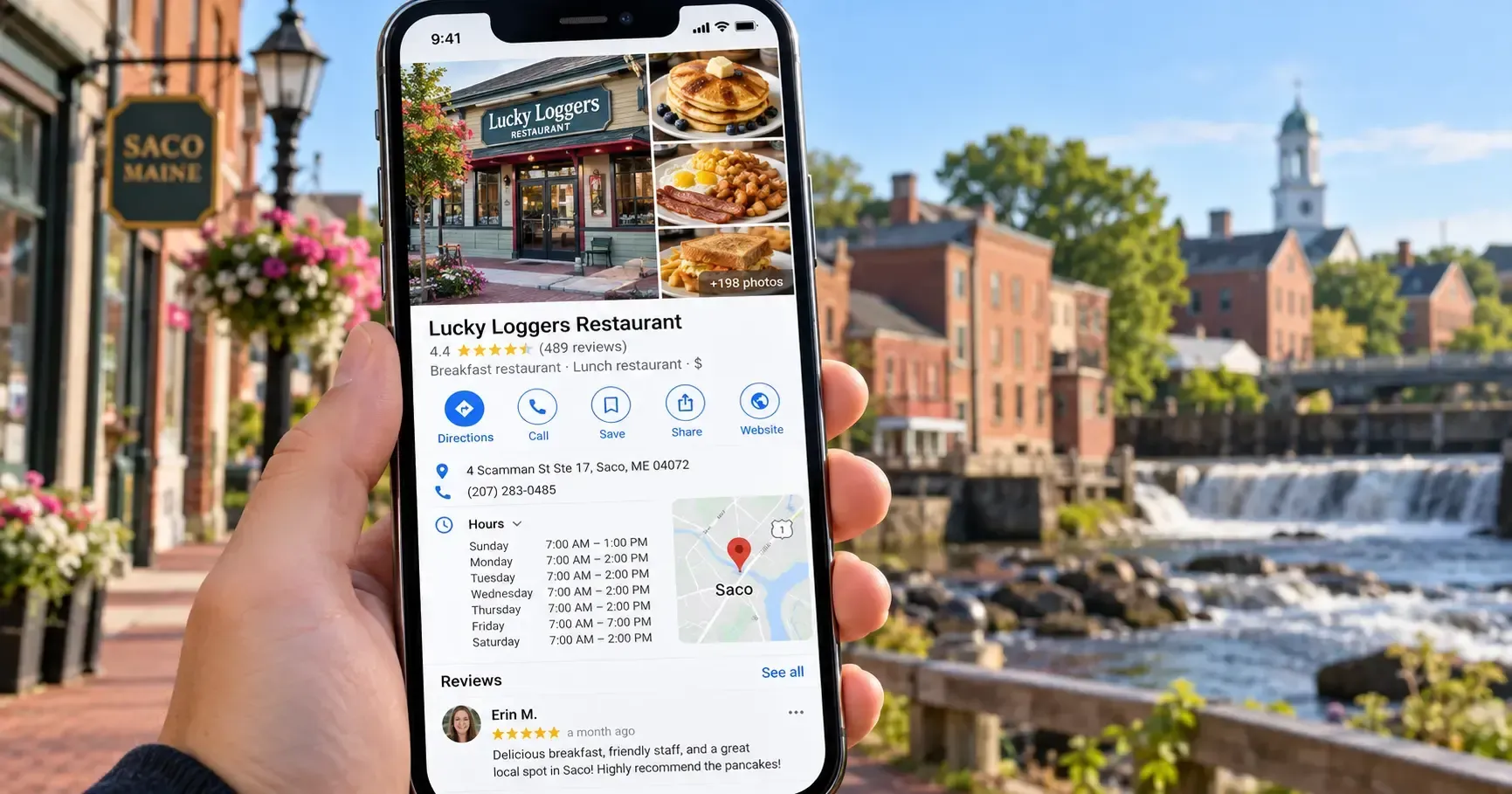
If you run a small business in Saco, Portland, Biddeford, or anywhere else in Southern Maine, your online reviews are doing more work than you probably realize. Long before a potential customer calls you or walks through your door, they're reading what your past customers had to say — and so is Google.
Reviews aren't just a trust signal for shoppers anymore. They're a ranking factor. A well-managed review presence can move you up in local search results, fill in the gaps a website alone can't cover, and turn happy customers into your most persuasive salespeople. A neglected one can quietly cost you customers and visibility, even if your work is excellent.
This guide walks through how to build a simple, sustainable system for requesting, responding to, and showcasing reviews — and why doing it consistently matters more than doing it perfectly.
Why Reviews Affect More Than Your Reputation
Most business owners think of reviews purely as a trust exercise: more stars, more credibility. That's true, but it's only half the picture.
Google's local search algorithm weighs review signals — including quantity, average rating, recency, and even the content of the reviews themselves — as part of how it ranks businesses in the Map Pack and local search results. Two businesses with similar websites and similar distance from a searcher can rank very differently based on their review profile alone.
That means:
- Review velocity matters. A steady trickle of new reviews signals an active, trustworthy business. A business with 40 reviews from three years ago and nothing since can actually rank behind a competitor with 15 recent ones.
- Recency matters. Search engines and consumers both weigh what happened last month more than what happened in 2021.
- Content matters. Reviews that naturally mention your services, your location, or specific things you did well can reinforce the same keywords you're already targeting on your website — a bonus for [INTERNAL LINK: /services/seo "your local SEO efforts"].
In other words, reviews are a living extension of your SEO strategy, not a separate item on the marketing to-do list.
Building a Simple System for Requesting Reviews
The businesses that consistently rank well and convert well aren't the ones with a clever review "hack" — they're the ones who ask, consistently, as part of how they already do business.
Make the Ask Part of Your Process
Pick one moment in your customer journey — right after a job is finished, right after checkout, right after a service call — and build the review request into it every time. Consistency beats cleverness here.
Make It Easy
Send a direct link to your Google Business Profile review form by text or email rather than asking customers to search for you. The fewer steps between "yes, I'd be happy to" and an actual posted review, the more reviews you'll collect.
Ask at the Right Time
Timing matters more than most business owners expect. Ask when satisfaction is highest — right after a good outcome, not weeks later when the details have faded.
Don't Rely on One Platform Alone
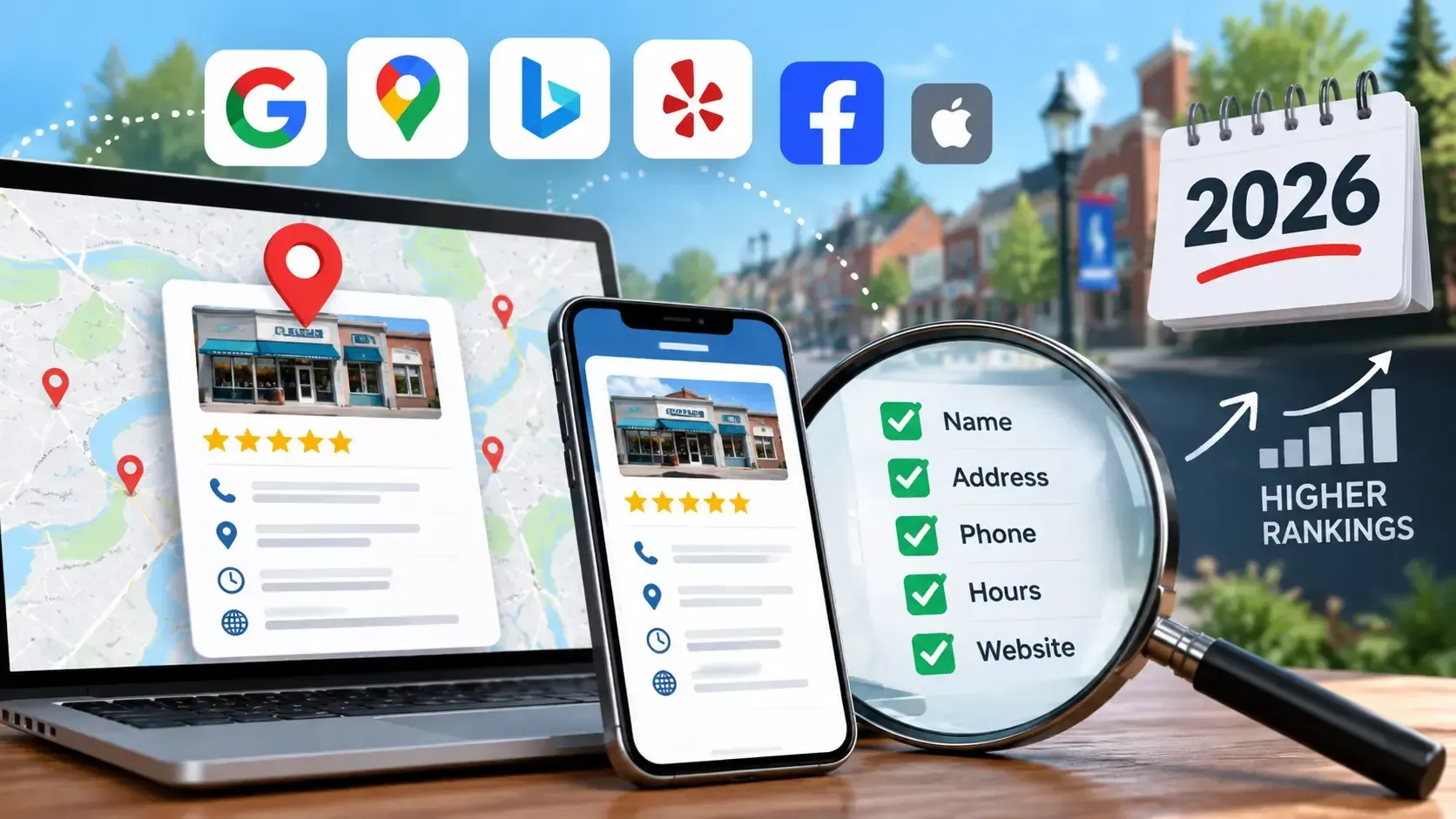
Google reviews carry the most SEO weight for most local businesses, but Facebook reviews still influence social proof and word-of-mouth referrals, especially for restaurants, home services, and retail. A presence on both platforms broadens your reach without requiring double the effort — the same request can point customers to whichever platform they already use.
Responding to Reviews: The Part Most Businesses Skip
Collecting reviews is only half the job. How you respond to them — both good and bad — is where a lot of Southern Maine businesses leave value on the table.
For positive reviews: A short, genuine reply (thanking the customer, mentioning something specific) shows future readers that a real person is behind the business and reinforces the relationship with that customer. It doesn't need to be long.
For negative reviews: This is where reputation management earns its name. A calm, professional, solution-focused response does more to build trust with future customers than the negative review does to hurt it — sometimes more. Prospective customers read how you handle criticism as closely as they read the criticism itself.
A few ground rules for responding to negative feedback:
- Respond promptly, but not defensively.
- Acknowledge the concern before explaining your side.
- Take specifics offline (a phone number or email) rather than litigating details publicly.
- Never argue with a customer in the reply — future readers are your real audience.
Showcasing Reviews Beyond the Review Platform
Once you have a solid base of reviews, don't let them sit only on Google and Facebook. Put them to work across your marketing:
- Website: Feature a rotating selection of reviews on your homepage and relevant service pages — this reinforces trust exactly where a visitor is deciding whether to contact you. [INTERNAL LINK: /services/website-design "See how we build trust into every page we design"]
- Social media: Turn a great review into a simple graphic or short video testimonial for Instagram or Facebook.
- Email marketing: Include a recent review in a monthly newsletter or promotional email to reinforce credibility with your existing list.
- Print and direct mail: A strong testimonial adds weight to a postcard or flyer in a way that generic marketing copy can't.
Reviews are proof, and proof performs better than promises in almost every marketing channel you have.
What This Looks Like in Practice
A Southern Maine home services company we've worked with went from an inconsistent handful of reviews to a steady monthly stream simply by texting a review link 24 hours after every completed job. Within a few months, their Google Business Profile showed noticeably more recent activity — and their local Map Pack visibility improved alongside it. No paid ads, no gimmicks — just consistency.
That's the pattern worth remembering: reputation management isn't a one-time project. It's a habit that compounds.
FAQ
How many reviews do I need before they start helping my SEO?
There's no magic number, but consistency and recency matter more than total count. A business with 20 reviews spread over the last six months typically performs better in local search than one with 100 reviews that stopped coming in two years ago.
Should I respond to every single review, even short ones?
Yes, when possible. Even a brief "Thank you, [Name]!" on a five-star review signals an active, engaged business to anyone reading later.
What's the best way to handle a review I think is unfair or fake?
Respond professionally and factually without getting defensive, and flag the review to the platform if you believe it violates their guidelines. Most platforms have a reporting process for reviews that don't reflect a genuine customer experience.
Is it okay to offer a discount in exchange for a review?
Directly paying for or incentivizing a specific rating violates most platforms' terms of service. It's fine to ask happy customers for honest feedback — just don't tie it to a reward for a positive outcome.
How does reputation management connect to the rest of my marketing?
Reviews reinforce everything else — they support your local SEO, add credibility to your website and ads, and give your social media and email marketing genuine, persuasive content to work with. It's one of the highest-leverage, lowest-cost pieces of a small business marketing plan.
Ready to Build a Reputation That Works for You?
Managing reviews consistently takes time most small business owners don't have. [INTERNAL LINK: /services/reputation-management "Maine Street Marketing's reputation management services"] handle the requesting, monitoring, and responding for you — so your online reputation keeps working while you run your business. Get in touch to talk about building a system that fits how you already operate.