

Voice Search Optimization for Local Businesses: Are You Speak-Ready?

It used to be that people typed what they were looking for into a search bar. Now, they just ask out loud.
Where’s the closest pizza place?
What time does the hardware store close?
Who does affordable web design near me?
These voice searches are short, spoken, and increasingly local. For small businesses, that shift isn’t just interesting, it’s a wake-up call. Getting found by voice takes deliberate effort.
Why Voice Search Matters for Local Businesses
Typed searches and voice searches don’t look, or sound, the same. People might type “coffee shop Boston,” but when they talk to their phones, it’s more like, “Where’s the best coffee near me right now?”
Voice search is casual, conversational, and often tied to an immediate need. And here’s the kicker: most of these searches have local intent. That means people are looking for something nearby, and they’re usually ready to take action, grab lunch, book an appointment, or visit a store.
Voice assistants like Siri, Alexa, and Google Assistant pull responses from the top of search results, business listings, and structured data. If your digital presence doesn’t reflect the way people actually speak, or if your info isn’t easily accessible, you’re likely missing out on customers who are ready to choose... now.
Speak-Ready Strategies
To take advantage of this shift, local businesses need to rethink how they show up online, starting with how people actually interact with their devices.
Talk Like Your Customers
The days of keyword-stuffing are long gone. Instead of focusing on “cheap electrician Charlotte,” a more relevant phrase would be “Who’s a good electrician near me that’s affordable?”
Think about how your customers talk. Build your content and keywords around those phrases. Pay attention to the questions you get on the phone or in person, that's how people are likely to speak to their devices.
Add an FAQ Section
Including a Frequently Asked Questions (FAQ) section on your site is one of the easiest ways to match voice queries. But it only works if you write the way people talk.
Instead of technical jargon, use plain language. Frame questions exactly how someone would ask them aloud, like:
● “Do you offer weekend appointments?”
● “How much does a basic service cost?”
● “Is parking available on-site?”
Then answer them clearly and briefly. This not only helps users but also gives search engines an easy snippet to pull for voice responses.
Make Google Work for You
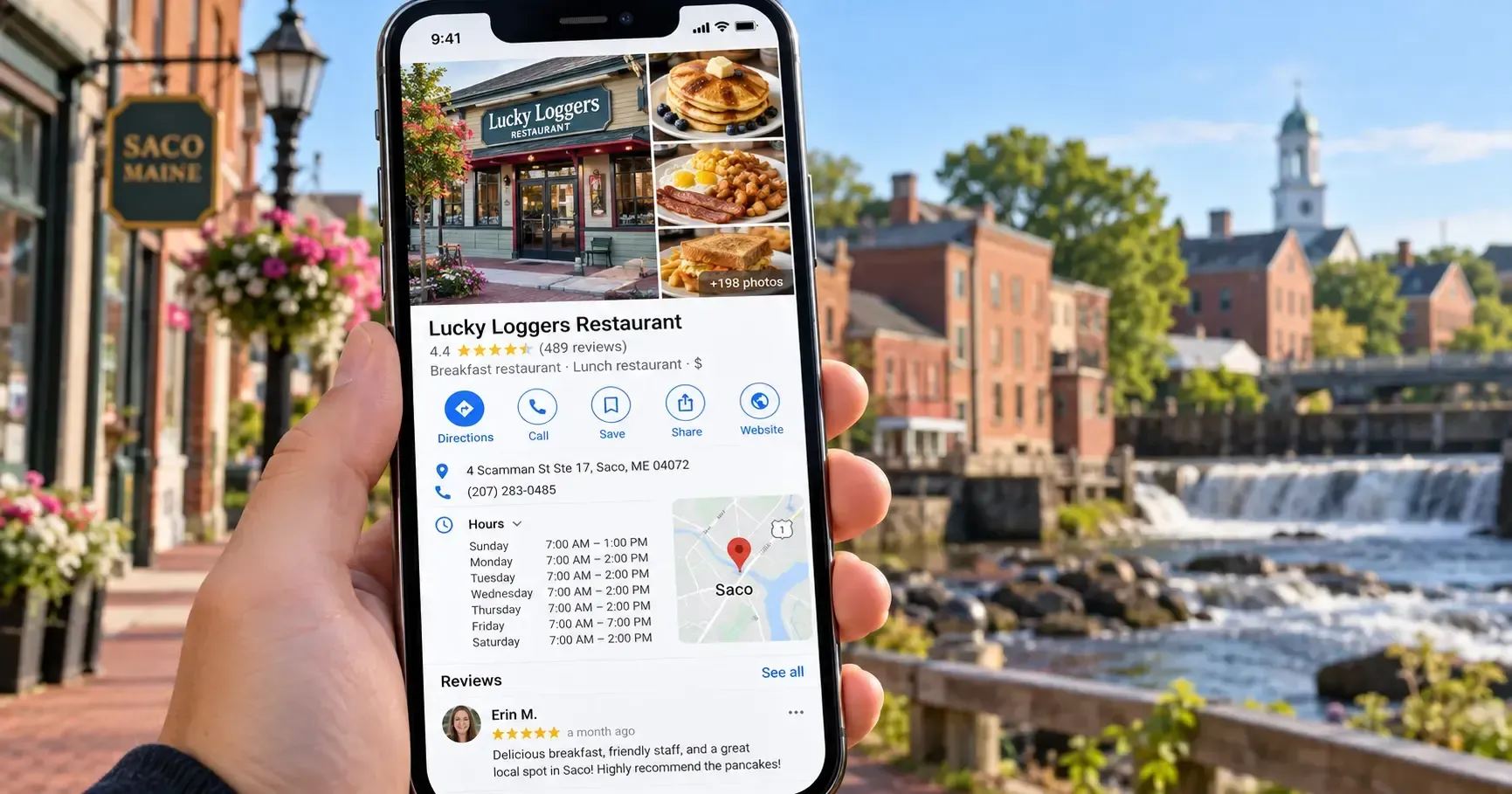
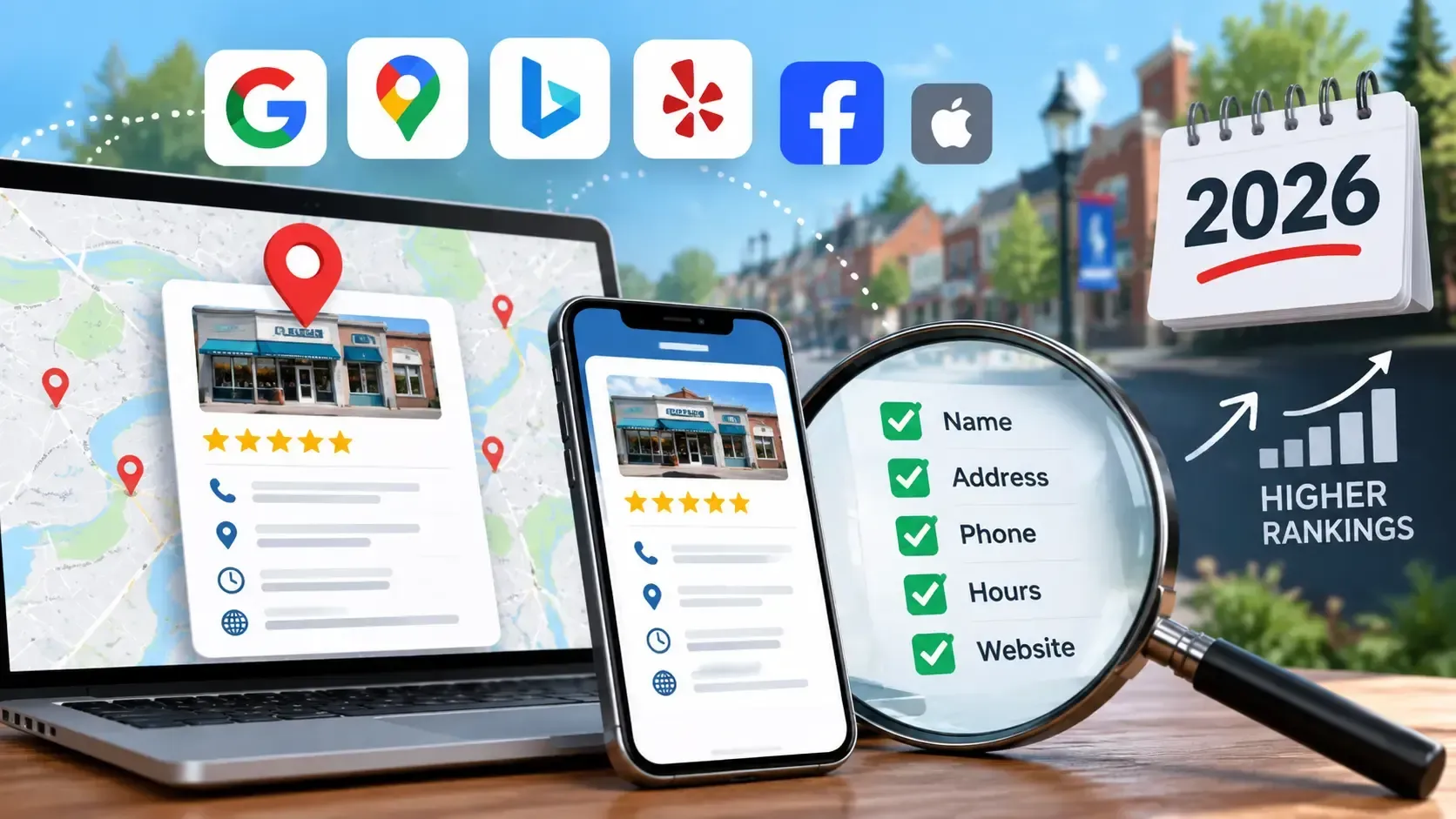
Google often pulls voice answers directly from Google Business Profiles. If your listing is incomplete or inconsistent, you're invisible to voice assistants.
Make sure your business name, address, phone number, hours, categories, and services are accurate and up to date. Upload recent photos and respond to reviews. The more active and accurate your profile is, the more likely it is to show up in voice searches.
Make Your Website Easy to Understand—For People and Search Engines
Use structured data markup, also known as schema, to help search engines understand your site. It’s a behind-the-scenes tool your web team can implement that tags important details like your location, services, and hours.
This kind of markup increases your chance of being selected as a direct answer in voice search results. It’s invisible to visitors but incredibly valuable for search visibility.
Mobile-First, Always
Since most voice searches happen on mobile devices, your site needs to perform well on smartphones. That means fast loading, easy navigation, and features like click-to-call buttons or map integration.
If a potential customer finds your business via voice and lands on a clunky site, they’ll bounce, and probably choose your competitor.
Is your business ready to be found by voice? We at Maine Street Marketing can help you optimize your online presence so customers find you, whether they are typing or talking. Get in touch today!